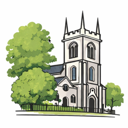
 Greenside Parish Church
Royal Terrace, Edinburgh, Scotland
Greenside Parish Church sits at the base of Calton Hill in Edinburgh, a historic landmark with nearly two centuries of service to the community. The present church, designed by architect James Gillespie Graham in robust Gothic Revival style, opened for worship on Sunday 6 October 1839.
The site has a remarkable religious history dating back to 1456, when a "Rude Chapel" was established on the green north slope of Calton Hill. By 1526, a Carmelite (Whitefriars) monastery had grown around it, which was later dissolved during the Scottish Reformation.
As of February 2024, Greenside's congregation united with St Andrew's and St George's West Church to form the new "Edinburgh: New Town Church." While regular worship no longer takes place at Greenside, this protected Category A listed building continues to stand as an architectural treasure and important part of Edinburgh's ecclesiastical heritage.
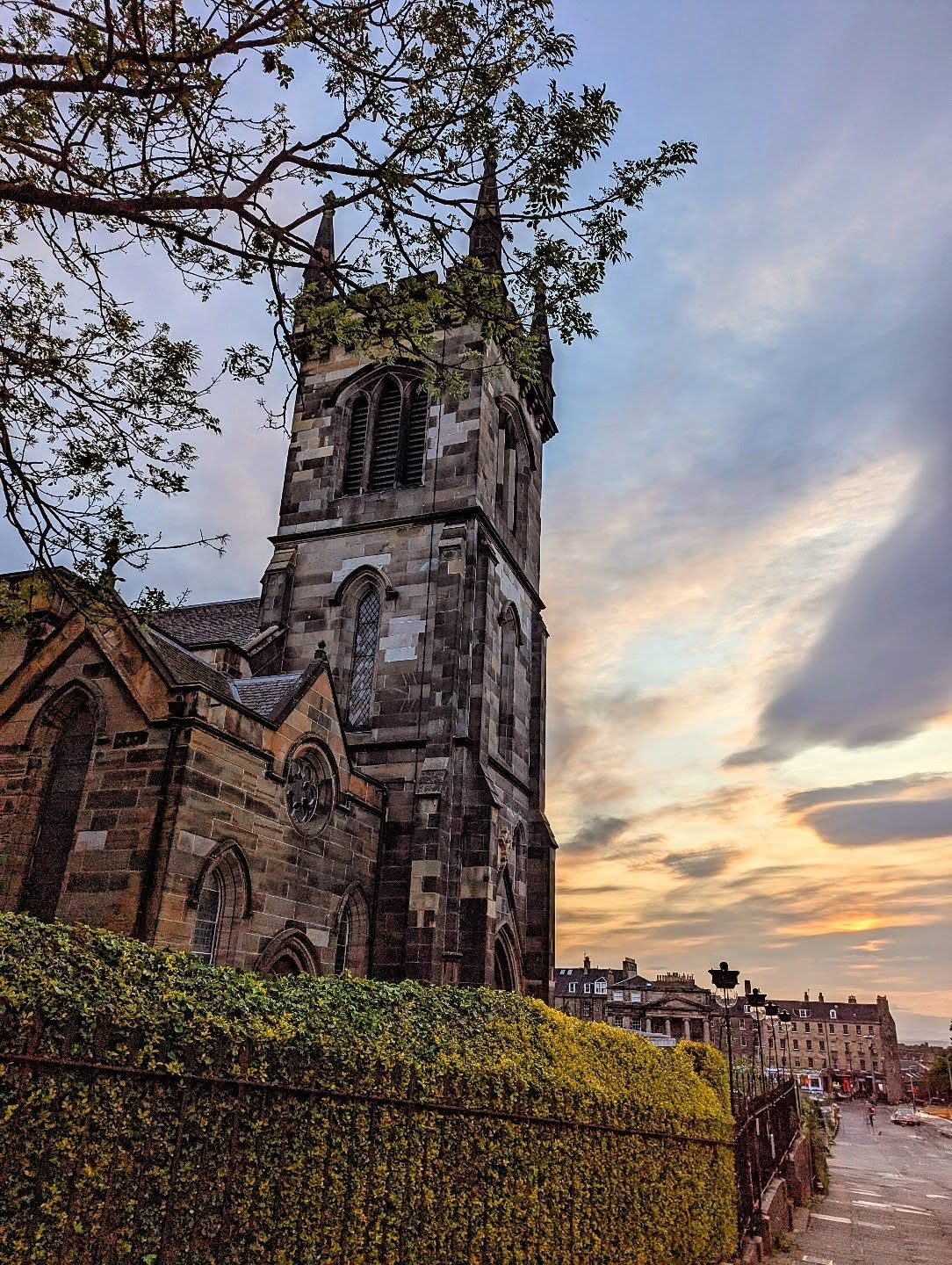
Photo by @tripdepaprika
"Reminiscent of a rural parish church surrounded by trees." — Historic Environment Scotland
Architecturally, Greenside remains a striking landmark terminating the vista of Royal Terrace. Its walls have witnessed nearly two centuries of baptisms, weddings, funerals, and community gatherings. The parish was the last of the "Burgh churches" – those built by the city for the New Town – opening a final chapter in the story of Edinburgh's 19th-century church extension.
Explore The Church's Heritage
Church History
Explore the complete timeline from the 1456 Rude Chapel through the Carmelite monastery to the present-day Gothic Revival church.
Explore history →Legacy & Impact
Discover how Greenside Church's legacy endures in Edinburgh's ecclesiastical history, from its architectural significance to its role in the community.
Learn more →Ministers
Learn about the distinguished ministers who served Greenside, from Rev. William Glover to Rev. Andrew Anderson.
Read more →The Organ
Discover the remarkable pipe organ with its 21 speaking stops, restored in 1993 and a testament to Victorian craftsmanship.
View specifications →Worship Archive
Browse our historical collection of Orders of Service, documenting the Presbyterian worship traditions maintained throughout our history.
View archive →